What responsible scope looks like
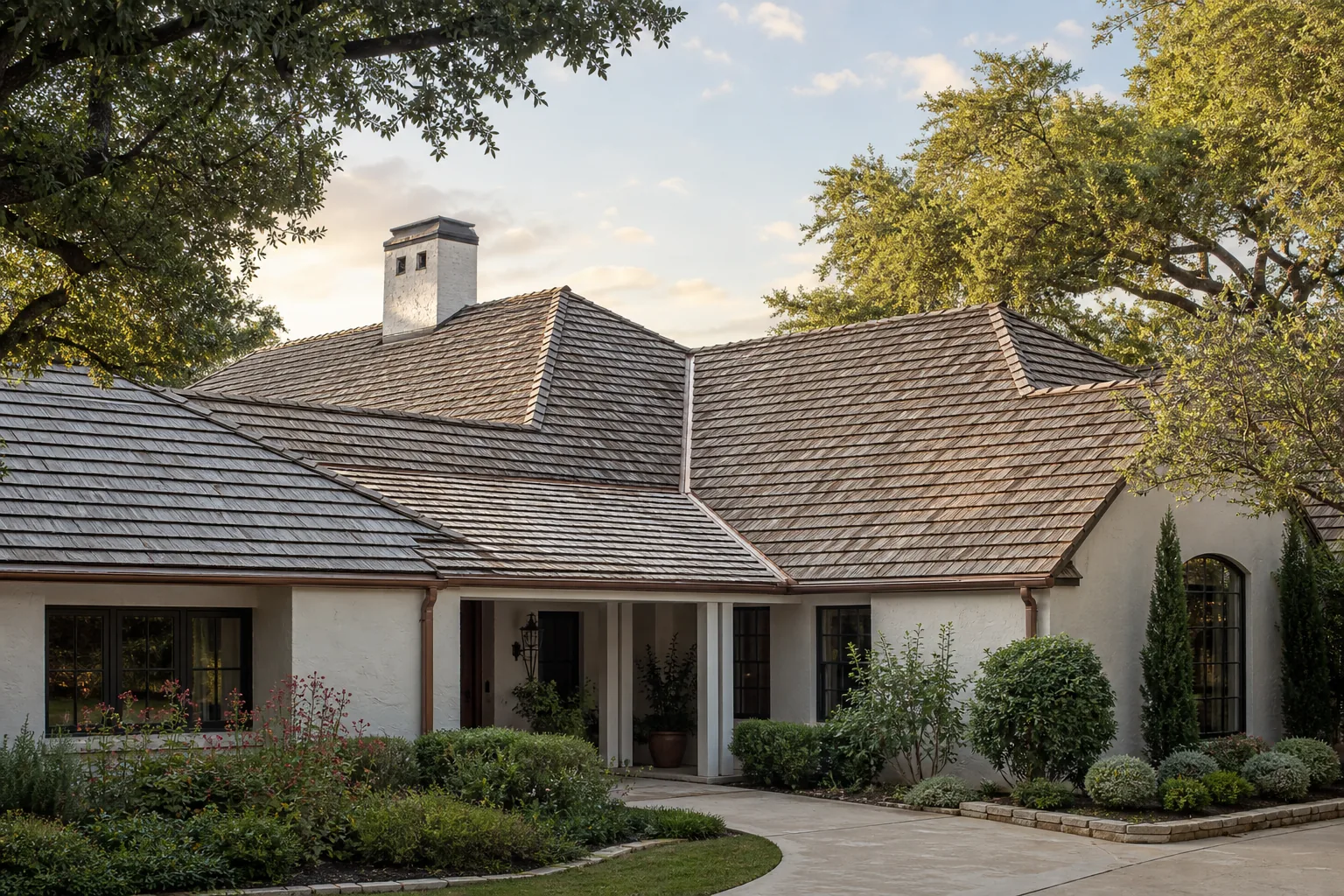
A replacement plan built around the house.
Two roofs with the same living area can have very different surface area, access, ventilation, and flashing. We start with verified measurements and a full-system inspection, then present options that make those differences visible.
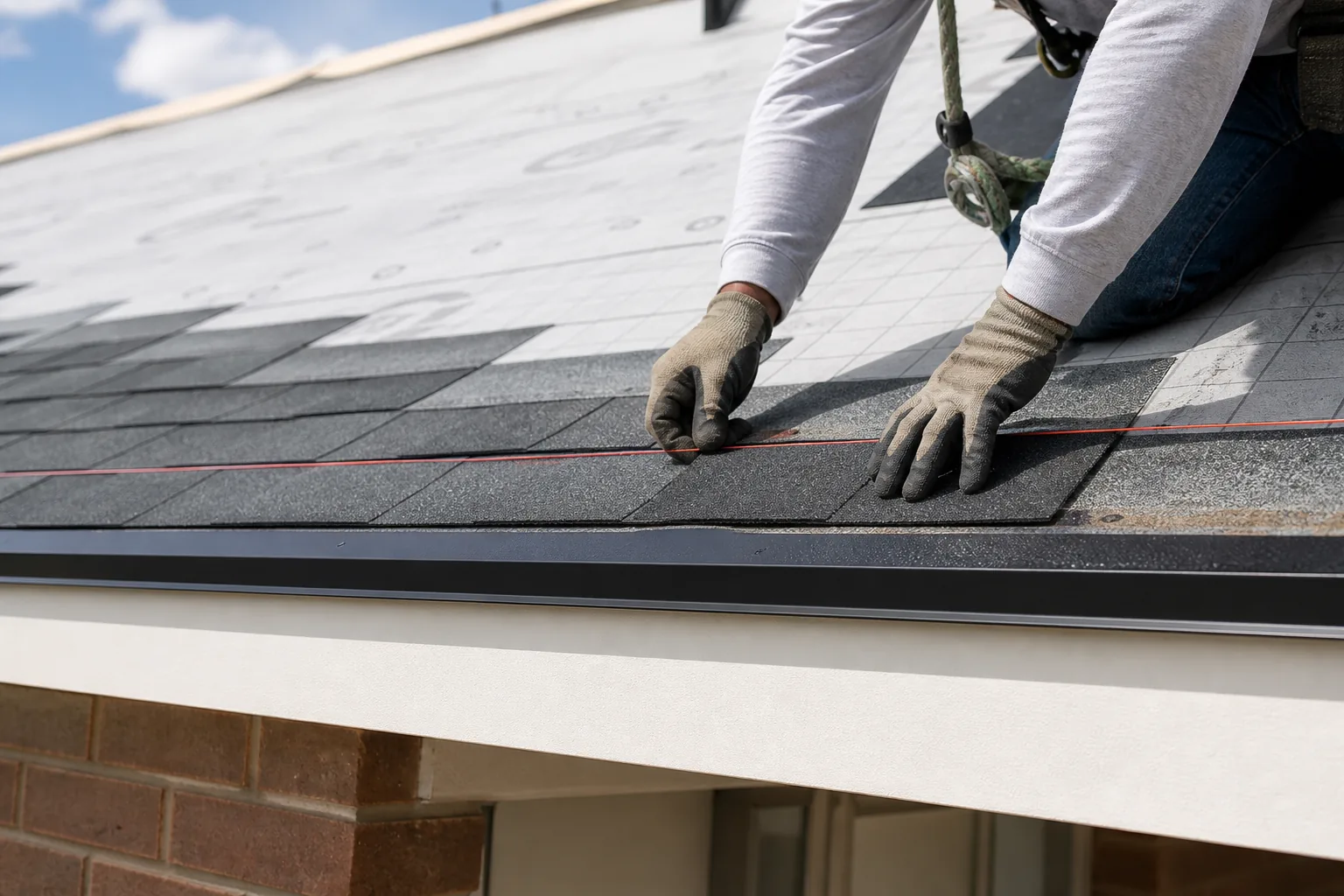
We compare weather resistance, service life, maintenance, appearance, and initial investment side by side.
When to request this service
- Recurring leaks or repairs in several areas
- Brittle, curled, missing, or heavily granule-worn shingles
- Soft decking, daylight, or moisture evidence in the attic
- A roof near the end of its expected service life
- Ventilation or flashing problems that cannot be isolated economically
What the scope includes
Property and landscaping protection
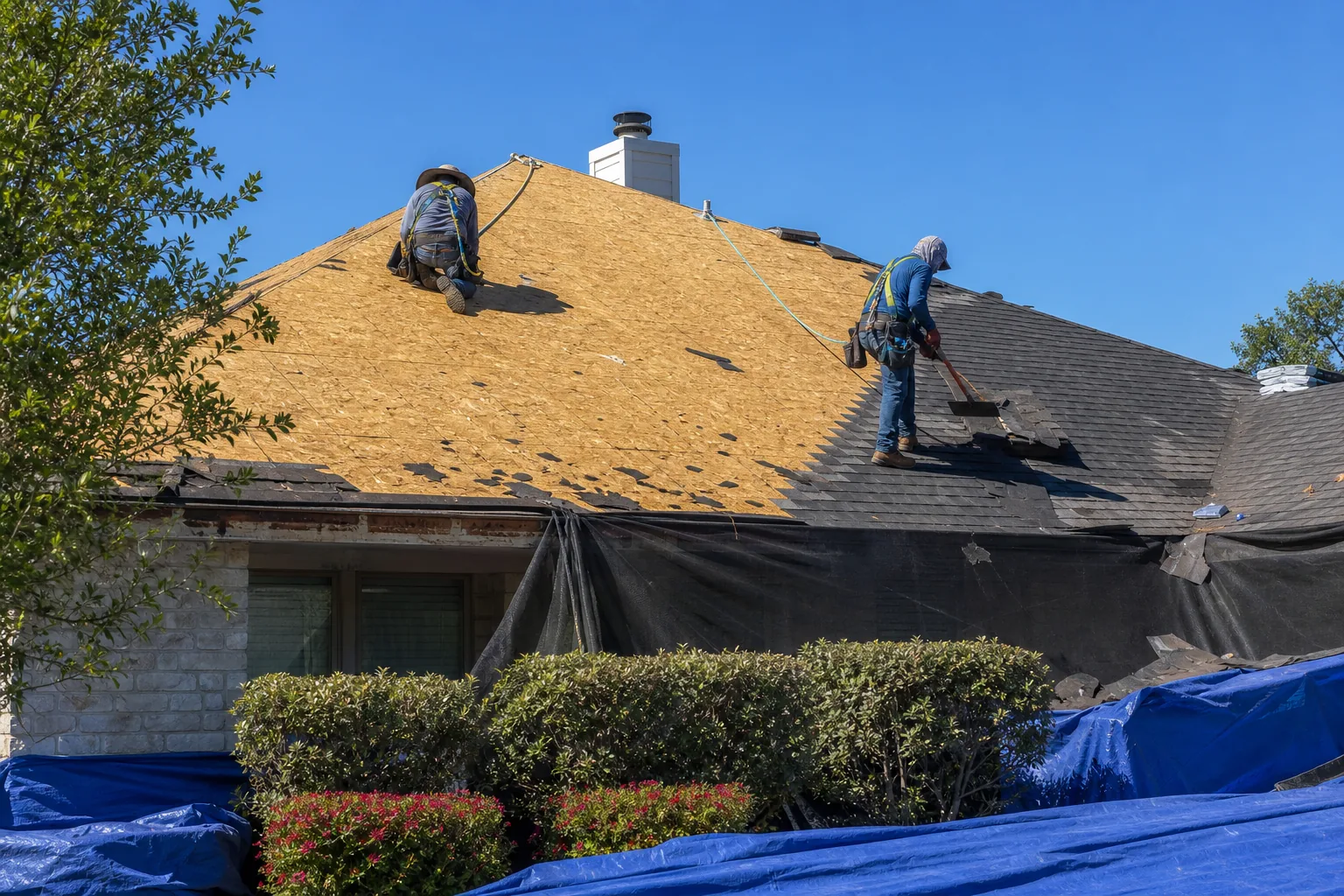
Existing material tear-off and disposal
Decking inspection with photo approval for changes
Underlayment, drip edge, valleys, penetrations, and flashing
Balanced intake and exhaust ventilation review
Manufacturer-compliant shingle or panel installation
Daily updates, final walkthrough, and magnetic cleanup
Price transparency
Replacement planning ranges
Most Central Texas architectural-shingle projects modeled on this site fall between $14,000 and $28,000. Impact-rated systems generally cost more; standing-seam metal often begins near the upper end of that range and can extend well beyond it.
What moves the final number
- Verified roof surface area—not only living area
- Pitch, valleys, dormers, and access
- Existing layers and damaged decking
- Ventilation, flashing, skylights, and chimneys
- Material tier, warranty, and code requirements
Straight answers
Common questions about roof replacement
Can I stay home during replacement?
Usually, yes. Roofing is noisy and creates vibration, so we explain how to protect wall hangings, pets, vehicles, and attic items before work starts.
What happens if you find damaged decking?
We photograph it, explain why replacement is needed, and obtain written approval at the unit price stated in the proposal before installing new decking.
Do darker shingles make the attic hotter?
Color can affect surface temperature, but ventilation, insulation, roof assembly, and solar exposure also matter. We evaluate the complete system rather than making a color-only promise.